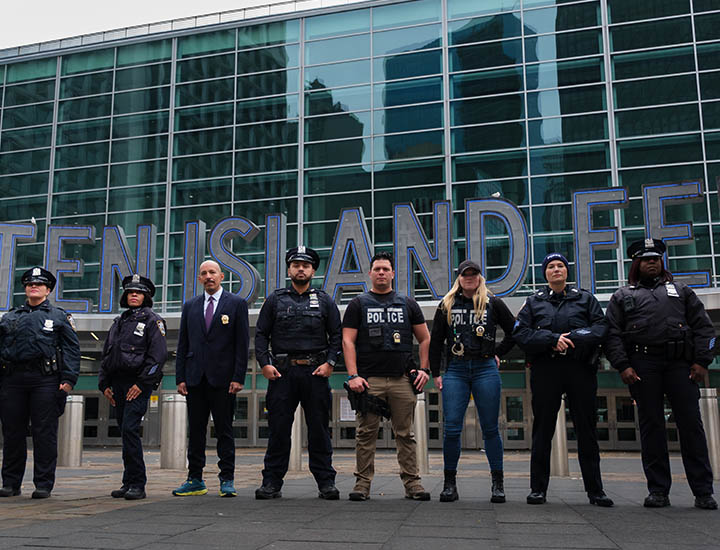
Founded in 1996, POPPA (Police Officers Providing Peer Assistance) was established through a unique collaborative effort between the NYPD, City Council, and the private sector following the suicide of 28 NYPD officers within the 3-year period 1993-1995. POPPA was designed as alternative and a complement to Department services as several officers reported reluctance to discuss personal or psychological issues within the Department due to the stigma and fear of the potential career impact.

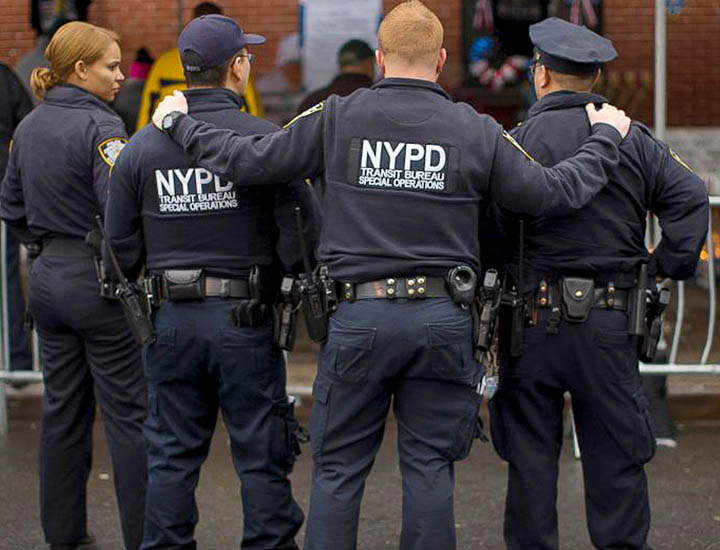
Founded to Meet a Serious Need
POPPA’s first Peer Support Officer training program in 1996 started with fifty active-duty NYPD officers who wanted to help their colleagues. POPPA implemented a 24/7 Helpline, in which any police officer could call and speak with a specially trained NYC police peer about any issue, whether personal or job-related.
Mobilizing for 9/11 and Beyond
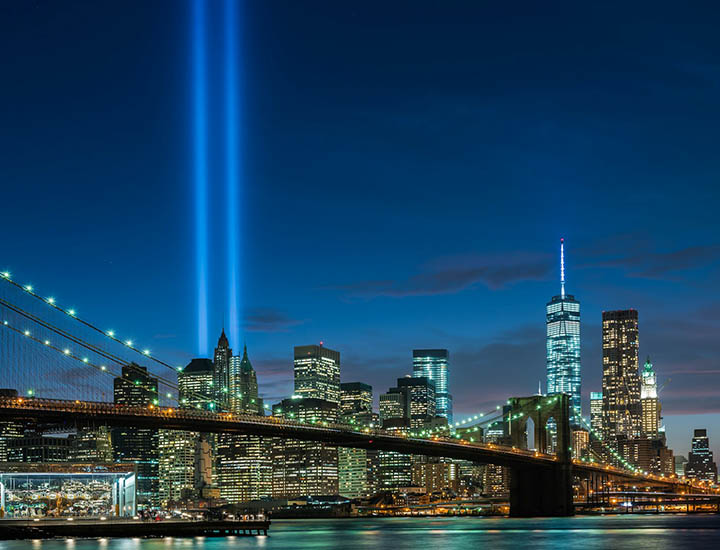
9/11: On September 11, 2001, the attacks jolted the world, the City of New York, and its first responders. In the immediate aftermath, POPPA mobilized to provide in-person support for more than 5,000 officers who experienced trauma during and after the attacks.Trauma Response Team (TRT) Program: Through collaboration with the NYPD, POPPA is notified of any critical incidents, such as officer-involved shootings, line-of-duty deaths, police suicides, or horrific crime scenes. Using techniques learned from the International Critical Incident StressManagement Foundation and our protocols, POPPA developed a unique set of skills to address both the officers’ immediate and short-term response to traumatic incidents
Retiree Program & National Support
In 2006 POPPA developed its Retiree Support Program, recognizing the value of retired officers in being able to understand and assist their retired peers. The unique needs of retired NYPD officers were largely unmet as these officers had few specialized resources to deal with the impact and experiences of their careers in law enforcement. The Retiree Support Program operates in other states in addition to New York. POPPA also responds to calls from police officers from any state throughout the country.
POPPA has also been called to respond to police departments beyond NYC. In 2005, POPPA went to New Orleans to help local police cope with the devastation from Hurricane Katrina. In 2013, POPPA went to Boston to help local police cope with the Boston Marathon bombing. We also assisted the Baltimore police in the aftermath of the 2015 riots, and first responders in Texas following Hurricane Harvey in 2017.
Resiliency Support & S.A.F.E.R. Programs
A major focus for POPPA is helping officers to strengthen and maintain resiliency. In 2019, POPPA’s Resiliency Support Program undertook a major outreach initiative, providing information and psychoeducation to approximately 20,000 NYPD officers at the Brooklyn and Bronx target ranges over a 6-month period. The Resiliency Support Program led to the development of POPPA’s Suicide Awareness for Emergency Responders (S.A.F.E.R.) program. POPPA offers this program free of charge to police officers and their families and has been called to provide this vital training to police departments beyond the NYC area.
COVID-19 & Expanded Services
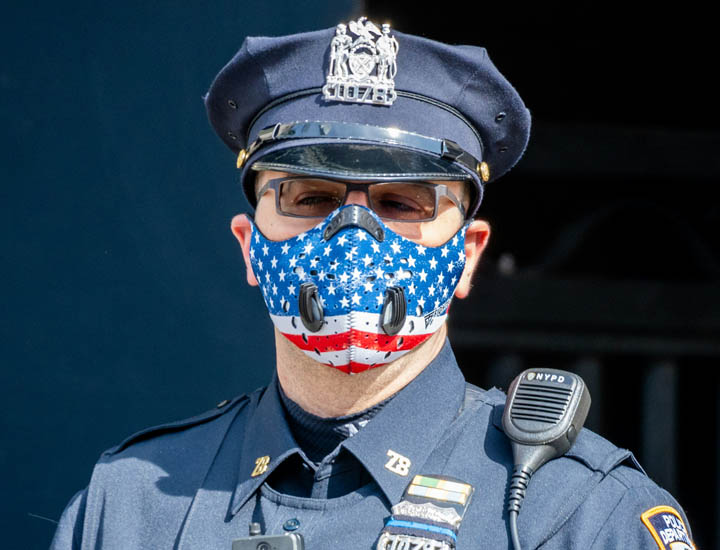
In 2020, POPPA increased its on-line presence in response to the COVID-19 crisis and health guidelines by offering on-line COVID-19 support groups. These groups were conducted by POPPA Peer Support Officers (PSOs) with clinical guidance and were open only to NYPD officers.
POPPA is always expanding its outreach efforts and consistently redesigns, expands, and refines its services to meet the needs of the officers it serves. Through the auspices of the NYPD, POPPA presents information regarding its services and provides psychoeducation to police recruits at the Police Academy, at borough orientations throughout NYC, and following critical incidents, including line-of-duty deaths and police suicides. POPPA also maintains a presence at all NYPD line-of-duty funerals to pay respects, and to provide information and support to fellow officers.
POPPA Today and Into the Future
Today, POPPA has more than 300 Peer Support Officers. It also maintains a network of approximately 120 clinicians who are skilled at working with police officers and receive our client referrals.
POPPA has built trust in the officers it serves, replacing their isolation with an effective support network. POPPA continues to help change the way that police officers think about reaching out for help by redefining a call for support as a sign of strength, not weakness.
Our goal is to make sure that NYPD officers know that they are not alone, that we are here 24/7, and that we care about every officer’s well-being. We want officers to remain healthy and strong throughout their careers, to be proud of the work that they do, and to enjoy their years of retirement.