Dolor sit amet, consectetuer adipiscing elit, sed diam nonummy nibeuismod tincidunt ut.
Supporting NYPD
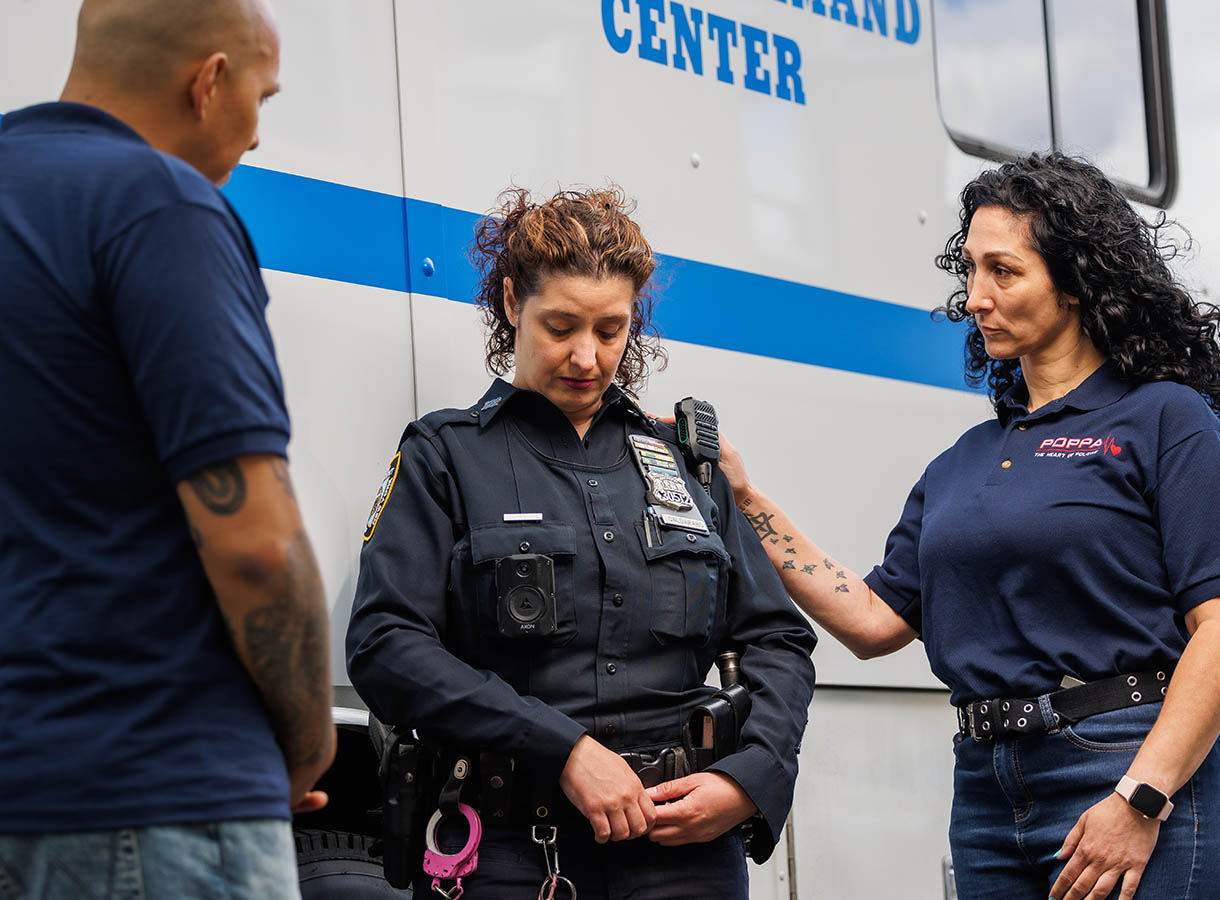
POPPA has responded to thousands of police officers who have reached out for help. The majority of calls to POPPA were by officers who just needed to talk to someone or wanted to meet to discuss issues in more depth. Approximately 45% of officers were referred to clinicians for ongoing confidential professional help. Of the officers who received POPPA services, the vast majority returned to full-duty with no career disruption or chose to retire.
During the 10-year period (1986-1995) before the existence of POPPA, there were an average of 7 active-duty officer suicides per year. The 28 police suicides from 1993-1995 contributed to the urgent need for an organization of police peers, separate from the Department, but able to work confidentially and with the cooperation of the NYPD.
Our Impact
In the 26 years (1996-2021) since the creation of POPPA, the number of NYPD suicides dropped to fewer than 5 per year, with a low of 2 to a high of 10 in 2019. In addition to this reduction, more than 150 police officers who have reported to POPPA that they did not complete suicide as a direct result of calling the POPPA 24/7 Helpline and receiving services. The reduction in police suicide may be attributed to a variety of factors, including changes within the NYPD making officers more comfortable with seeking services, changes in attitudes reducing the stigma of needing and getting help, and the greater availability of resources, we believe that POPPA has played a significant role in the reduction of suicide among NYPD officers.
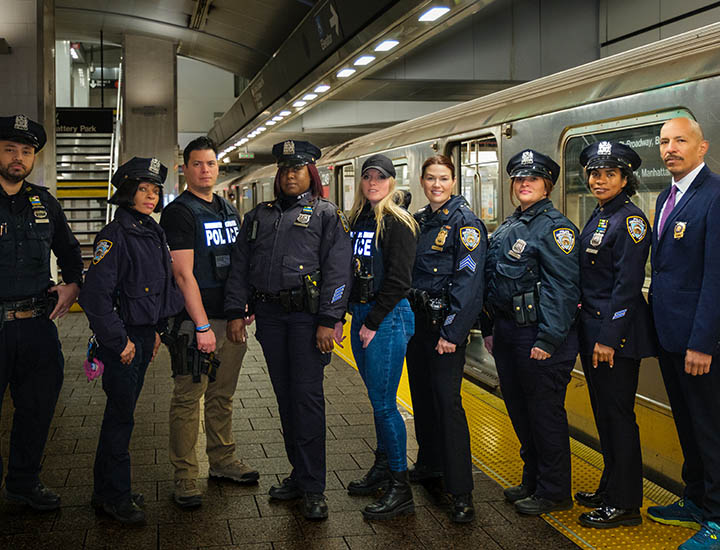
Building a Stronger Community
Nationwide, the number of suicides is greater than the number of line-of-duty deaths. This is true among NYC police officers if we exclude 9/11-and COVID-19-related deaths. Suicide is consistently the number 1 killer of police nationwide annually.
Among NYPD officers, the suicide rate is lower than that of the National Police Suicide rate (13.8 vs 17.0 per 100,000). This may reflect a combination of the resiliency of NYC police officers and the availability of resources. POPPA has been a leader in developing initiatives to combat officer suicide. POPPA’s Suicide Awareness for Emergency Responders (S.A.F.E.R.) Program gives police officers the tools to identify specific warning signs of suicidal thinking and strategies to respond to an officer in crisis.
Red Flags
It is common to experience emotional or physical distress following a traumatic event. However, if symptoms persist beyond one month, worsen over time, or significantly interfere with daily functioning, a referral for mental health evaluation should be considered.
Behavioral
• Increased irritability, arguments, or anger
• Periods of crying
• Change in job performance
• Avoidance of places due to trigger
• Changes in eating patterns
• Risky decision-making
• Increase use of alcohol, nicotine, drugs, caffeine
• Periods of crying
• Change in job performance
• Avoidance of places due to trigger
• Changes in eating patterns
• Risky decision-making
• Increase use of alcohol, nicotine, drugs, caffeine
Physical
Emotional & Cognition
Social
The Mental Health Lifespan of a Police Career

Pre-Academy & Training Phase Mental State: Motivation + Anticipation

Early Career (0–5 Years) Mental State: Shock + Adjustment

Mid-Career (5–15 Years) Mental State: Adaptation or Accumulation

Late Career (15–25+ Years) Mental State: Reflection + Physical & Emotional Wear

Retirement & Transition Mental State: Identity Shift
Tips for Self-Care
Self-care is the deliberate effort to maintain and improve your health and well-being so you can function effectively and handle life’s challenges. Here are four key components of self-care:
Physical self-care
- Sleep
- Nutrition
- Exercise
- Medical care
Emotional self-care
- Process feelings
- Set boundaries
- Talk to someone you trust
- Spirituality
Mental self-care
- Manage stress
- Limit overload
- Engage in hobbies
- Journaling
Social self-care
- Maintain supportive relationships
- Spend time with positive influences
Normalize Peer Check-in
That call was heavy. How are you holding up right now?
You got plans tonight, or just laying low?
Do you need to grab coffee and shake it off a bit?
I’ve noticed you’ve been quieter than usual, what’s going on?
Preventative Care to Reduce PTSD Risk
Strengthen the Nervous System
- Tactical/box breathing
- Regular exercise
- Consistent sleep routine
Process Events Early
- Talk through difficult calls (24–72 hrs)
- Participate in peer debriefs
- Journal reactions
Protect Sleep
- Dark, quiet environment
- Limit alcohol
- Prioritize recovery after critical incidents
Stay Connected
- Trusted peer support
- Strong family/friend relationships
- Avoid isolation
Seek Early Professional Support
- Trauma-informed therapy
- Don’t wait for symptoms to worsen